About the project
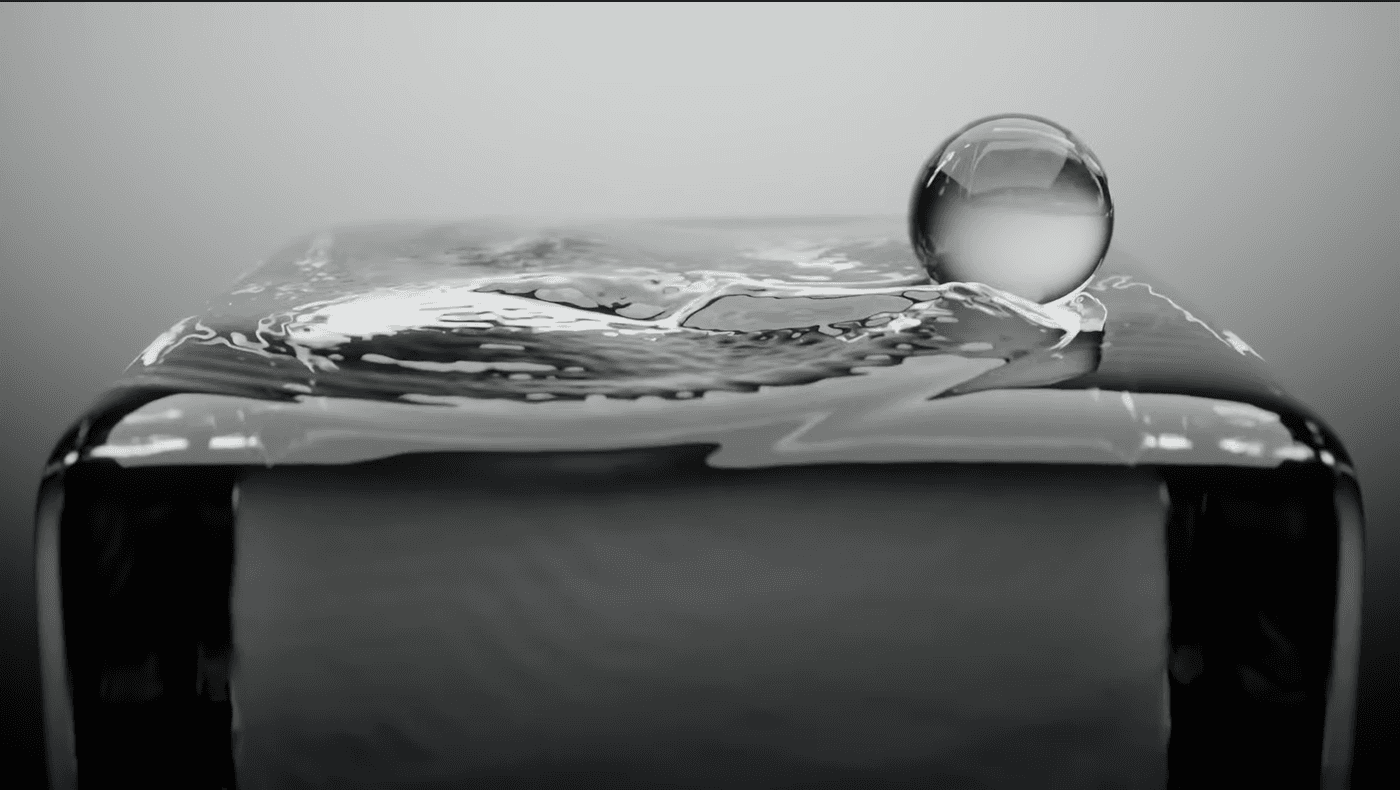
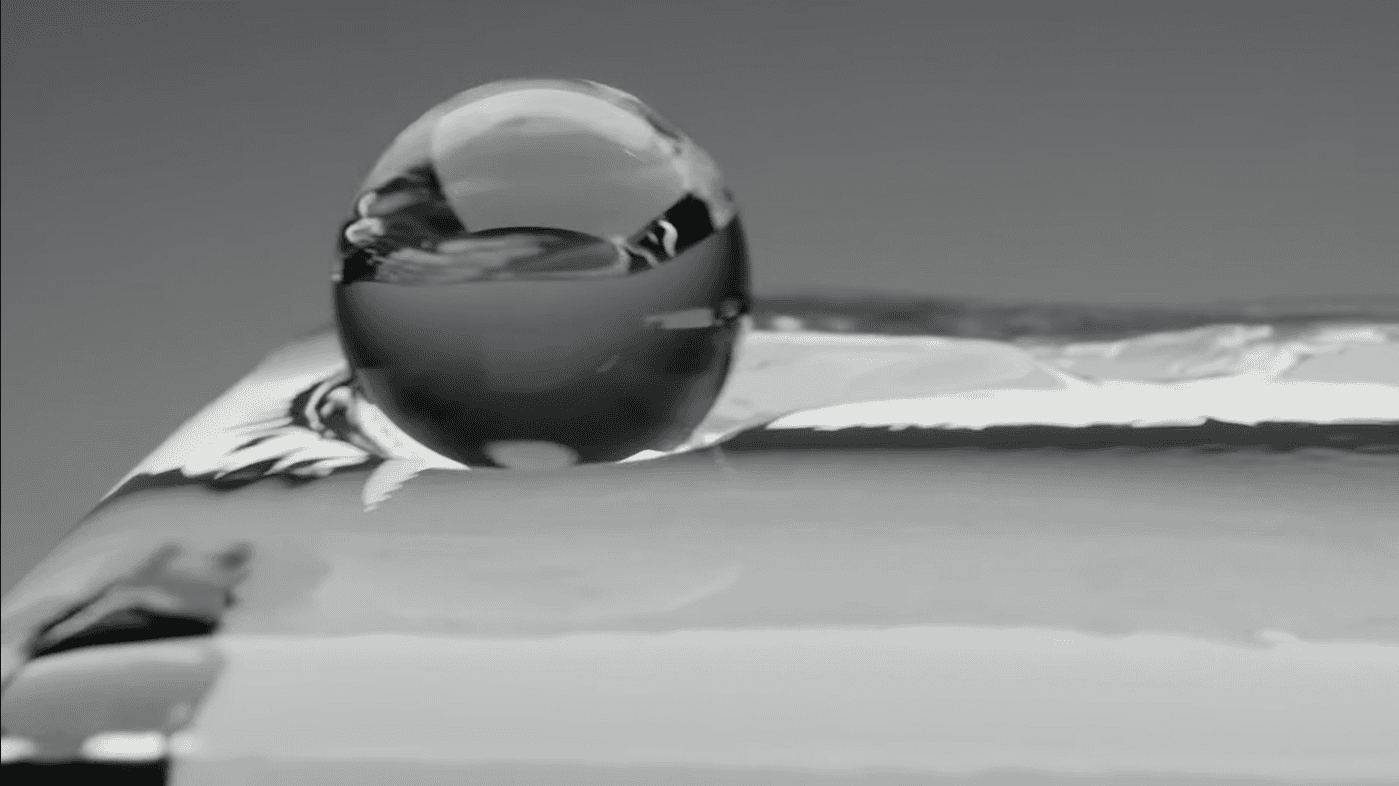
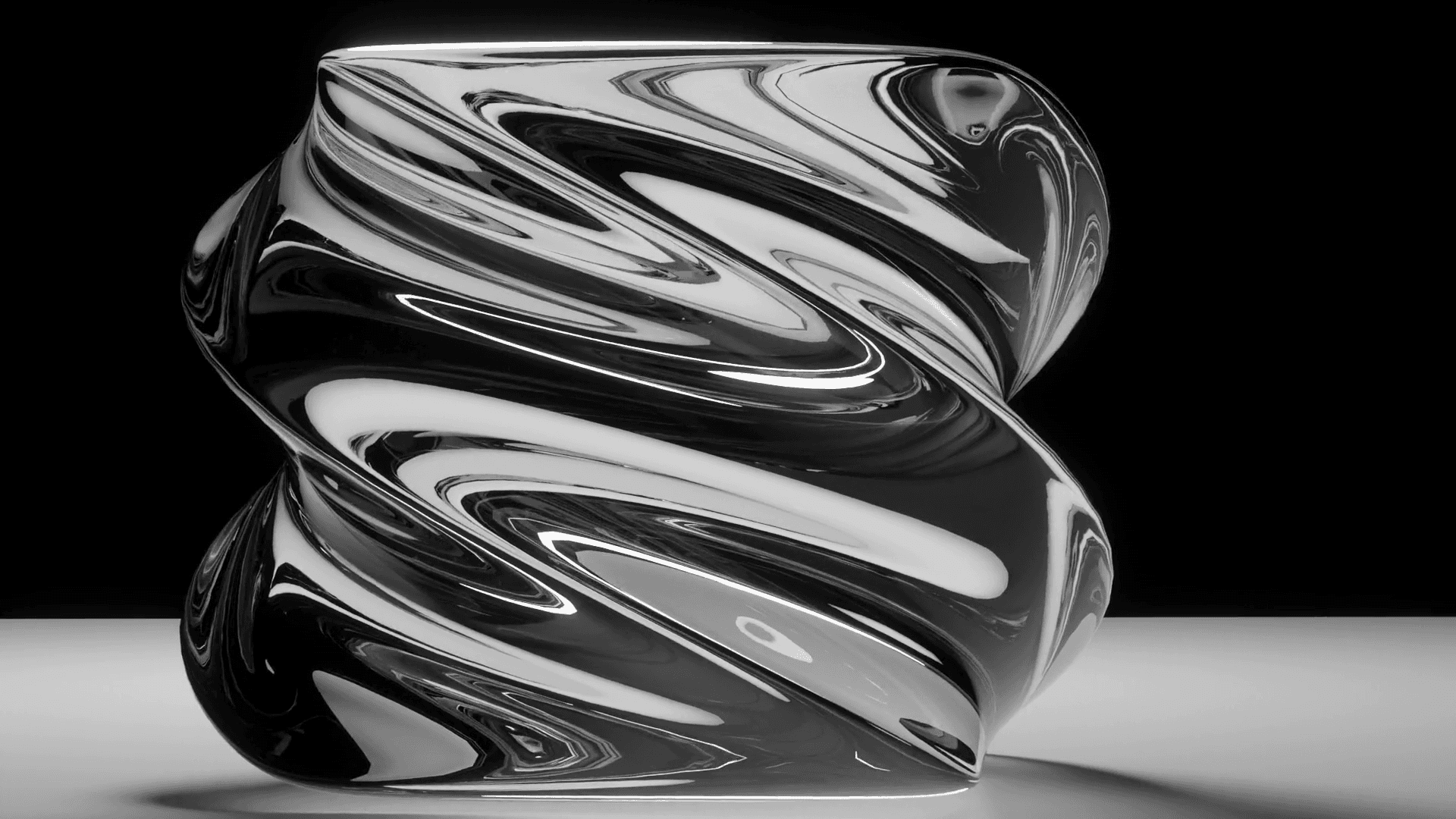
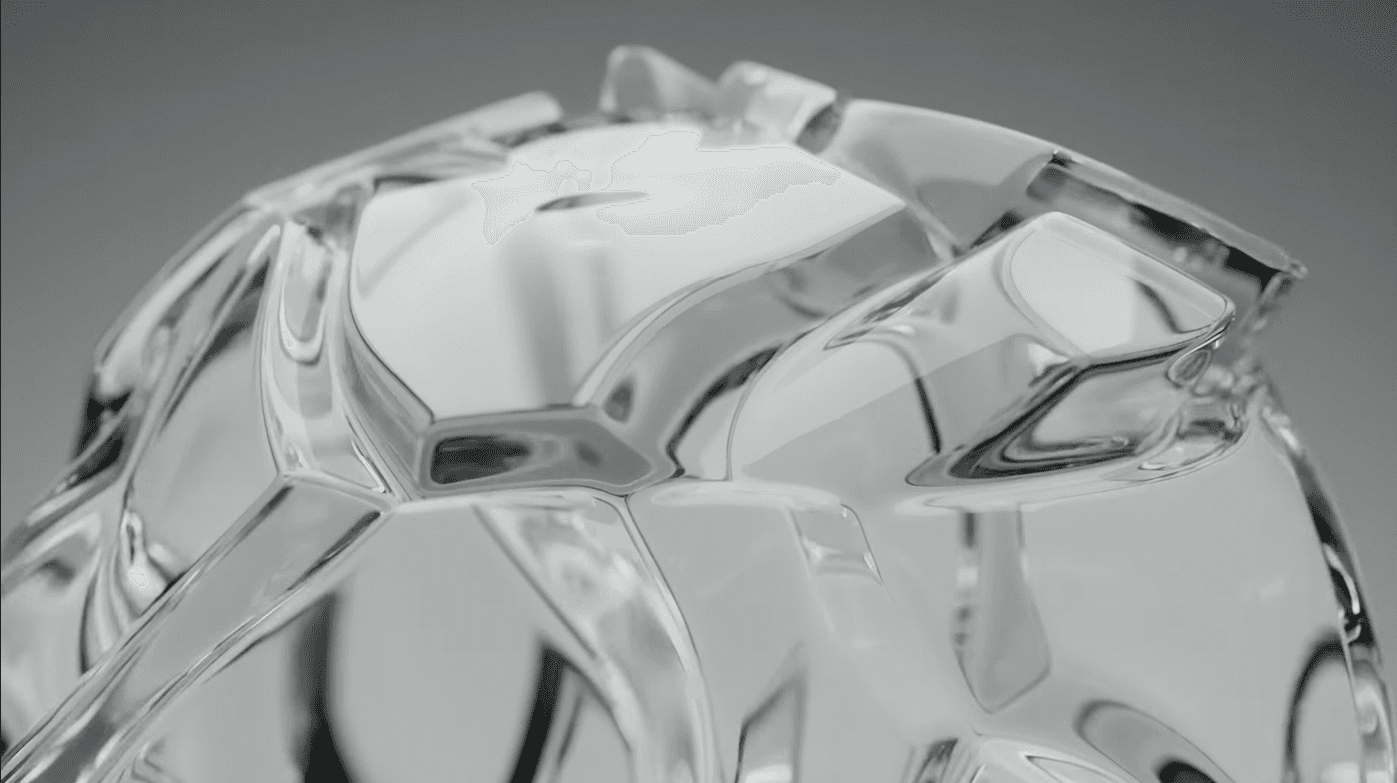
Glass and Water Simulation is a visually captivating animation project that explores the interplay between transparency, fluid dynamics, and light refraction. The theme revolves around the beauty and complexity of water as it interacts with glass, showcasing the seamless integration of nature's fluid motion within a meticulously crafted 3D environment. This project emphasizes the harmony between simplicity and complexity, creating an elegant and mesmerizing visual experience. Creation Process: This project is created using Blender, leveraging its powerful tools for modeling, physics simulation, and animation. The process involves several key steps: Modeling: Glass Creation: Using Blender's modeling tools, a realistic glass model is created. This includes defining the shape, thickness, and smoothness of the glass, ensuring it has the appropriate optical properties for light refraction and reflection. Environment: A minimalistic background is designed to keep the focus on the glass and water interaction. The environment is carefully lit to highlight the transparency and fluid dynamics. Physics Properties: Water Simulation: Blender’s fluid simulation engine is used to create realistic water dynamics. The properties of the water, such as viscosity, surface tension, and interaction with the glass, are finely tuned to mimic real-world physics. Interaction Setup: The simulation is set up to pour water into the glass, ensuring natural flow and splash effects. Collision detection is enabled to allow the water to interact accurately with the glass surface. Animation: Pouring Action: An animation sequence is created to simulate water being poured into the glass. This involves keyframing the motion of a virtual water source and adjusting the timing to achieve a realistic flow rate. Fluid Dynamics: The fluid dynamics are calculated over time, with Blender's physics engine handling the complex interactions between the water particles and the glass surface. The animation is previewed and adjusted to ensure smooth and believable motion. Camera Movements: Strategic camera angles and movements are employed to enhance the visual appeal. Slow-motion effects are added to emphasize the fluid motion and highlight intricate details of the water and glass interaction. Rendering: Lighting and Shading: Realistic lighting is crucial to capture the transparency and refraction of the glass and water. HDRI lighting is used for realistic reflections, and multiple light sources are positioned to enhance the visual depth. Material Properties: The glass material is configured with high transparency and appropriate index of refraction settings. The water material is set up to simulate realistic fluid appearance with reflections and refractions. Rendering: The animation is rendered using Blender’s Cycles render engine, which provides high-quality photorealistic output. Render settings are optimized for clarity and detail, balancing quality and render time. Conclusion: "Glass and Water Simulation" demonstrates the power of Blender’s capabilities in modeling, physics simulation, and animation to create a captivating visual experience. This project not only showcases technical proficiency but also captures the intrinsic beauty of natural fluid dynamics. The result is a stunning and elegant animation that mesmerizes viewers with its realistic depiction of water interacting with glass, underscoring the harmony between art and technology.
Date
16-Nov-2022
Type
3D